Results
Leading: ahead on Elections BC's initial count. Every result stays preliminary until the final count, November 6 to 10, 2026. All 93 ridings
By riding
Counts by riding
Closest races
Leaders' races

Changing hands from 2024
Scroll for 16 more
The Latest
20:35
11:35
16:18
13:00
Seats at dissolution
Advance voting
By riding
| 1 | Juan de Fuca-Malahat | 1,670 | 2,734 | 1,970 | 2,378 | 1,828 | 2,719 | 13,299 | 34.2% | 13,360 | −0% |
| 2 | Ladysmith-Oceanside | 3,907 | 3,005 | 2,519 | 2,856 | 2,225 | 2,924 | 17,436 | 34.1% | 15,655 | +11% |
| 3 | Saanich North and the Islands | 2,712 | 3,891 | 1,469 | 3,293 | 2,522 | 3,134 | 17,021 | 33.7% | 18,277 | −7% |
| 4 | Nanaimo-Lantzville | 2,382 | 2,760 | 1,345 | 2,503 | 2,935 | 3,570 | 15,495 | 33.5% | 15,032 | +3% |
| 5 | Penticton-Summerland | 3,445 | 3,999 | 1,303 | 2,011 | 2,114 | 2,779 | 15,651 | 33.3% | 15,452 | +1% |
| 6 | Boundary-Similkameen | 3,007 | 3,997 | 942 | 1,560 | 1,753 | 2,108 | 13,367 | 33.0% | 12,832 | +4% |
| 7 | Victoria-Beacon Hill | 2,426 | 2,974 | 1,447 | 1,889 | 2,207 | 3,167 | 14,110 | 31.7% | 15,992 | −12% |
| 8 | Vancouver-Point Grey | 2,321 | 2,350 | 1,288 | 1,652 | 1,839 | 1,969 | 11,419 | 31.6% | 12,406 | −8% |
| 9 | Vernon-Lumby | 2,297 | 2,581 | 1,541 | 2,089 | 2,663 | 2,944 | 14,115 | 30.0% | 14,597 | −3% |
| 10 | Courtenay-Comox | 2,441 | 1,491 | 2,359 | 3,268 | 2,030 | 3,819 | 15,408 | 29.5% | 18,173 | −15% |
| 11 | Surrey-White Rock | 2,698 | 3,296 | 1,411 | 1,752 | 1,803 | 2,597 | 13,557 | 29.3% | 14,474 | −6% |
| 12 | Powell River-Sunshine Coast | 3,144 | 3,533 | 1,023 | 1,481 | 1,637 | 2,357 | 13,175 | 29.1% | 12,143 | +8% |
| 13 | Saanich South | 1,665 | 2,122 | 1,322 | 2,698 | 2,405 | 3,086 | 13,298 | 28.8% | 13,123 | +1% |
| 14 | Vancouver-Quilchena | 2,104 | 2,398 | 1,484 | 1,447 | 1,518 | 2,195 | 11,146 | 28.4% | 9,579 | +16% |
| 15 | Columbia River-Revelstoke | 1,632 | 2,419 | 533 | 1,242 | 1,658 | 1,874 | 9,358 | 28.3% | 8,336 | +12% |
| 16 | Kamloops Centre | 2,501 | 3,008 | 1,282 | 1,515 | 1,800 | 2,417 | 12,523 | 28.2% | 12,979 | −4% |
| 17 | West Kelowna-Peachland | 1,702 | 2,105 | 0 | 3,294 | 2,855 | 3,028 | 12,984 | 27.5% | 14,269 | −9% |
| 18 | North Vancouver-Seymour | 2,205 | 2,926 | 1,967 | 1,576 | 1,855 | 2,558 | 13,087 | 27.5% | 15,175 | −14% |
| 19 | Kootenay-Rockies | 1,430 | 1,442 | 676 | 1,606 | 1,572 | 1,964 | 8,690 | 26.6% | 10,860 | −20% |
| 20 | Victoria-Swan Lake | 969 | 2,552 | 1,324 | 1,491 | 1,765 | 2,776 | 10,877 | 26.5% | 11,636 | −7% |
| 21 | Vancouver-West End | 1,832 | 2,589 | 1,122 | 1,437 | 1,580 | 1,999 | 10,559 | 26.0% | 10,752 | −2% |
| 22 | Vancouver-Strathcona | 1,553 | 2,496 | 1,348 | 1,372 | 1,579 | 2,117 | 10,465 | 25.4% | 9,445 | +11% |
| 23 | Esquimalt-Colwood | 1,125 | 3,235 | 1,653 | 2,124 | 2,365 | 1,862 | 12,364 | 25.2% | 15,751 | −22% |
| 24 | Salmon Arm-Shuswap | 1,970 | 3,686 | 2,387 | 1,890 | 2,355 | 1,301 | 13,589 | 25.1% | 14,189 | −4% |
| 25 | Surrey-Serpentine River | 1,891 | 3,471 | 1,478 | 529 | 651 | 1,179 | 9,199 | 25.1% | 7,998 | +15% |
| 26 | Abbotsford-Mission | 1,831 | 3,338 | 1,191 | 1,253 | 1,418 | 2,115 | 11,146 | 25.1% | 11,563 | −4% |
| 27 | Delta North | 1,232 | 2,985 | 950 | 1,221 | 1,134 | 1,644 | 9,166 | 25.1% | 10,513 | −13% |
| 28 | West Vancouver-Capilano | 1,930 | 3,411 | 1,447 | 1,640 | 1,218 | 1,736 | 11,382 | 25.0% | 12,955 | −12% |
| 29 | Kamloops-North Thompson | 2,047 | 2,804 | 1,720 | 1,780 | 1,718 | 2,392 | 12,461 | 25.0% | 10,963 | +14% |
| 30 | Kelowna Centre | 2,633 | 2,741 | 0 | 2,149 | 2,105 | 2,391 | 12,019 | 25.0% | 13,533 | −11% |
| 31 | Chilliwack-Cultus Lake | 1,242 | 3,017 | 1,919 | 1,615 | 1,813 | 1,338 | 10,944 | 24.9% | 11,503 | −5% |
| 32 | Oak Bay-Gordon Head | 1,070 | 1,470 | 832 | 1,610 | 2,878 | 2,598 | 10,458 | 24.8% | 16,315 | −36% |
| 33 | Cariboo-Chilcotin | 836 | 1,027 | 1,176 | 1,875 | 1,608 | 1,761 | 8,283 | 24.6% | 8,798 | −6% |
| 34 | Kootenay-Monashee | 1,419 | 2,214 | 755 | 973 | 1,304 | 1,544 | 8,209 | 24.4% | 6,768 | +21% |
| 35 | Cowichan Valley | 1,577 | 2,153 | 1,638 | 1,492 | 2,337 | 2,307 | 11,504 | 24.3% | 12,162 | −5% |
| 36 | Prince George-Mackenzie | 1,280 | 1,445 | 88 | 1,757 | 1,397 | 1,761 | 7,728 | 24.1% | 8,711 | −11% |
| 37 | Surrey-Cloverdale | 1,219 | 2,160 | 986 | 801 | 1,688 | 2,442 | 9,296 | 24.0% | 11,662 | −20% |
| 38 | Kelowna-Lake Country-Coldstream | 2,810 | 3,854 | 1,197 | 844 | 1,100 | 1,567 | 11,372 | 23.9% | 14,470 | −21% |
| 39 | Coquitlam-Burke Mountain | 1,371 | 2,778 | 1,156 | 1,039 | 1,233 | 2,304 | 9,881 | 23.8% | 12,184 | −19% |
| 40 | Nechako Lakes | 801 | 932 | 104 | 467 | 1,007 | 1,146 | 4,457 | 23.7% | 5,399 | −17% |
| 41 | Peace River South | 730 | 930 | 249 | 795 | 769 | 965 | 4,438 | 23.7% | 5,102 | −13% |
| 42 | Mid Island-Pacific Rim | 1,092 | 2,297 | 943 | 2,269 | 2,759 | 2,353 | 11,713 | 23.6% | 12,116 | −3% |
| 43 | Kootenay Central | 1,217 | 1,810 | 872 | 1,673 | 1,457 | 1,290 | 8,319 | 23.5% | 9,579 | −13% |
| 44 | Langley-Abbotsford | 1,378 | 1,929 | 1,598 | 1,448 | 1,670 | 2,437 | 10,460 | 23.3% | 11,051 | −5% |
| 45 | Coquitlam-Maillardville | 1,418 | 1,615 | 1,093 | 1,524 | 1,646 | 2,315 | 9,611 | 23.3% | 10,991 | −13% |
| 46 | Burnaby North | 1,657 | 3,022 | 1,401 | 765 | 970 | 1,588 | 9,403 | 23.2% | 9,969 | −6% |
| 47 | Port Coquitlam | 1,719 | 3,200 | 1,364 | 1,069 | 1,176 | 1,969 | 10,497 | 23.2% | 11,756 | −11% |
| 48 | Bulkley Valley-Stikine | 574 | 636 | 286 | 568 | 601 | 885 | 3,550 | 23.0% | 3,967 | −11% |
| 49 | Surrey South | 1,584 | 2,259 | 1,021 | 1,335 | 1,416 | 2,112 | 9,727 | 23.0% | 9,510 | +2% |
| 50 | Langley-Walnut Grove | 1,370 | 2,350 | 1,114 | 1,736 | 1,604 | 2,381 | 10,555 | 22.8% | 10,353 | +2% |
| 51 | Kelowna-Mission | 2,660 | 2,571 | 0 | 1,858 | 1,286 | 2,467 | 10,842 | 22.8% | 13,271 | −18% |
| 52 | Surrey-Newton | 745 | 1,946 | 696 | 272 | 1,393 | 1,976 | 7,028 | 22.7% | 7,746 | −9% |
| 53 | Vancouver-South Granville | 1,313 | 0 | 1,559 | 1,651 | 1,761 | 3,451 | 9,735 | 22.5% | 12,811 | −24% |
| 54 | Maple Ridge-Pitt Meadows | 1,862 | 2,505 | 1,138 | 1,223 | 1,360 | 2,258 | 10,346 | 22.4% | 14,151 | −27% |
| 55 | Nanaimo-Gabriola Island | 1,277 | 1,845 | 947 | 1,719 | 2,421 | 2,565 | 10,774 | 22.4% | 14,141 | −24% |
| 56 | New Westminster-Coquitlam | 931 | 2,003 | 1,674 | 1,898 | 1,498 | 1,416 | 9,420 | 22.4% | 9,064 | +4% |
| 57 | Fraser-Nicola | 498 | 965 | 1,972 | 1,556 | 1,449 | 1,383 | 7,823 | 22.3% | 8,760 | −11% |
| 58 | Surrey-Fleetwood | 1,285 | 2,857 | 711 | 951 | 1,054 | 1,690 | 8,548 | 22.3% | 10,338 | −17% |
| 59 | Port Moody-Burquitlam | 1,570 | 2,871 | 590 | 1,441 | 1,697 | 2,419 | 10,588 | 22.3% | 11,507 | −8% |
| 60 | Vancouver-Yaletown | 1,482 | 1,369 | 1,094 | 1,155 | 1,366 | 2,069 | 8,535 | 22.2% | 11,521 | −26% |
| 61 | Langford-Highlands | 1,158 | 2,168 | 1,403 | 1,040 | 1,368 | 1,678 | 8,815 | 22.1% | 11,702 | −25% |
| 62 | Chilliwack North | 1,048 | 1,466 | 1,093 | 1,559 | 1,761 | 2,120 | 9,047 | 21.7% | 10,128 | −11% |
| 63 | Langley-Willowbrook | 1,362 | 2,027 | 904 | 1,285 | 1,469 | 2,200 | 9,247 | 21.7% | 11,139 | −17% |
| 64 | Peace River North | 1,064 | 1,978 | 731 | 646 | 596 | 943 | 5,958 | 21.6% | 7,746 | −23% |
| 65 | North Vancouver-Lonsdale | 1,532 | 2,416 | 1,123 | 1,188 | 1,406 | 2,250 | 9,915 | 21.5% | 11,917 | −17% |
| 66 | Maple Ridge East | 1,532 | 1,690 | 1,549 | 1,540 | 1,665 | 1,820 | 9,796 | 21.2% | 10,868 | −10% |
| 67 | Richmond-Steveston | 966 | 1,446 | 941 | 1,661 | 1,390 | 1,949 | 8,353 | 21.0% | 10,840 | −23% |
| 68 | Vancouver-Langara | 1,139 | 1,880 | 930 | 793 | 1,016 | 1,623 | 7,381 | 20.8% | 9,685 | −24% |
| 69 | Vancouver-Little Mountain | 1,245 | 1,942 | 1,173 | 1,180 | 1,343 | 1,995 | 8,878 | 20.6% | 10,708 | −17% |
| 70 | Prince George-North Cariboo | 837 | 1,056 | 1,255 | 1,261 | 1,208 | 1,404 | 7,021 | 20.5% | 8,324 | −16% |
| 71 | Delta South | 1,134 | 1,314 | 687 | 1,597 | 1,606 | 2,151 | 8,489 | 20.3% | 11,736 | −28% |
| 72 | Vancouver-Fraserview | 799 | 1,353 | 1,460 | 1,258 | 1,452 | 1,995 | 8,317 | 20.3% | 10,107 | −18% |
| 73 | Surrey-Guildford | 761 | 3,395 | 1,500 | 502 | 669 | 1,003 | 7,830 | 20.0% | 9,780 | −20% |
| 74 | Burnaby-New Westminster | 1,001 | 1,347 | 1,287 | 891 | 1,030 | 1,574 | 7,130 | 19.7% | 9,645 | −26% |
| 75 | North Island | 929 | 1,244 | 1,229 | 1,685 | 2,247 | 2,453 | 9,787 | 19.7% | 12,158 | −20% |
| 76 | West Vancouver-Sea to Sky | 1,744 | 0 | 3,268 | 1,549 | 2,014 | 595 | 9,170 | 19.7% | 10,904 | −16% |
| 77 | Richmond Centre | 973 | 2,290 | 859 | 797 | 767 | 1,160 | 6,846 | 19.6% | 8,270 | −17% |
| 78 | Skeena | 221 | 627 | 1,390 | 1,226 | 366 | 551 | 4,381 | 19.5% | 5,431 | −19% |
| 79 | Abbotsford South | 1,383 | 1,779 | 835 | 1,135 | 1,121 | 1,853 | 8,106 | 19.4% | 9,897 | −18% |
| 80 | Richmond-Queensborough | 1,069 | 2,622 | 946 | 626 | 826 | 1,288 | 7,377 | 19.2% | 7,932 | −7% |
| 81 | Vancouver-Renfrew | 1,022 | 1,902 | 897 | 808 | 969 | 1,505 | 7,103 | 19.1% | 8,646 | −18% |
| 82 | Prince George-Valemount | 1,035 | 2,239 | 661 | 551 | 631 | 874 | 5,991 | 19.0% | 6,378 | −6% |
| 83 | Burnaby South-Metrotown | 1,076 | 2,004 | 779 | 642 | 726 | 1,121 | 6,348 | 18.8% | 6,588 | −4% |
| 84 | Burnaby East | 1,113 | 2,105 | 901 | 767 | 856 | 1,225 | 6,967 | 18.3% | 9,462 | −26% |
| 85 | Surrey City Centre | 756 | 1,857 | 649 | 465 | 1,060 | 1,626 | 6,413 | 18.1% | 6,961 | −8% |
| 86 | Vancouver-Kensington | 617 | 1,036 | 1,091 | 924 | 1,089 | 1,773 | 6,530 | 17.0% | 8,993 | −27% |
| 87 | Vancouver-Hastings | 1,009 | 1,594 | 840 | 900 | 1,079 | 1,636 | 7,058 | 16.7% | 7,279 | −3% |
| 88 | Richmond-Bridgeport | 711 | 1,930 | 800 | 705 | 797 | 1,103 | 6,046 | 16.5% | 6,787 | −11% |
| 89 | Burnaby Centre | 817 | 1,830 | 715 | 670 | 673 | 1,097 | 5,802 | 16.4% | 6,734 | −14% |
| 90 | Surrey North | 670 | 1,553 | 597 | 447 | 703 | 1,121 | 5,091 | 16.0% | 6,506 | −22% |
| 91 | North Coast-Haida Gwaii | 386 | 426 | 420 | 447 | 410 | 463 | 2,552 | 16.0% | 3,052 | −16% |
| 92 | Abbotsford West | 1,400 | 1,692 | 827 | 981 | 1,172 | 0 | 6,072 | 15.6% | 9,163 | −34% |
| 93 | Surrey-Panorama | 634 | 1,197 | 635 | 535 | 791 | 1,329 | 5,121 | 15.1% | 8,177 | −37% |
Elections BC, advance voting participation by day, preliminary. 2024, same point: the same number of advance days into the 2024 election. Registered voters as of Oct 14.
Latest poll
Voting intention
Seat forecast
BCPoliTracker lists the polls and does not project seats. This is 338Canada's projection, by Philippe J. Fournier, as of Oct 24. 47 seats is a majority.
Every poll
| Firm | Dates | NDP | Con | Green | Centre | OneBC | Other | Sample | Method | Lead |
|---|---|---|---|---|---|---|---|---|---|---|
| Forum Research | Oct 23, 2026 | 40 | 45 | 12 | · | · | 4 | 765 | IVR | Con +5 |
| Mainstreet Research | Oct 21 to 23, 2026 | 37 | 43 | 17 | 1 | 2 | · | 1,043 | IVR | Con +6 |
| Research Co. | Oct 21 to 23, 2026 | 40 | 44 | 10 | 2 | 2 | 1 | 802 | Online | Con +4 |
| Pallas Data | Oct 22, 2026 | 39 | 45 | 12 | · | · | 4 | 702 | IVR | Con +6 |
| Ipsos | Oct 20 to 22, 2026 | 39 | 44 | 13 | 1 | 2 | 1 | 1,260 | Online/Telephone | Con +5 |
| Leger | Oct 20 to 22, 2026 | 39 | 44 | 13 | 1 | 2 | 1 | 1,072 | Online | Con +5 |
| Pollara | Oct 15 to 21, 2026 | 37 | 42 | 13 | 3 | 4 | 1 | 2,202 | Online/IVR | Con +5 |
| Innovative Research | Oct 15 to 19, 2026 | 38 | 43 | 12 | 2 | 4 | 1 | 1,000 | Online | Con +5 |
| Angus Reid | Oct 15 to 19, 2026 | 43 | 46 | 8 | · | · | 3 | 793 | Online | Con +3 |
| Mainstreet Research | Oct 17 to 18, 2026 | 36 | 42 | 15 | 3 | 5 | · | 907 | IVR | Con +6 |
| Pollara | Oct 15 to 18, 2026 | 36 | 43 | 12 | 3 | 4 | 2 | 973 | Online/IVR | Con +7 |
| Pollara | Oct 8 to 13, 2026 | 36 | 41 | 13 | 4 | 5 | 1 | 1,212 | Online/IVR | Con +5 |
| Leger | Oct 9 to 12, 2026 | 40 | 42 | 9 | 3 | 4 | 2 | 1,000 | Online | Con +2 |
| Pallas Data | Oct 10 to 11, 2026 | 38 | 43 | 11 | 2 | 5 | 1 | 513 | IVR | Con +5 |
| Ipsos | Oct 7 to 11, 2026 | 38 | 43 | 11 | 2 | 4 | 2 | 1,356 | Online/Telephone | Con +5 |
| Research Co. | Oct 9 to 11, 2026 | 42 | 44 | 8 | 2 | 2 | 1 | 808 | Online | Con +2 |
| Liaison Strategies | Oct 7 to 8, 2026 | 37 | 43 | 10 | 3 | 4 | 4 | 1,000 | IVR | Con +6 |
| Pollara | Oct 1 to 7, 2026 | 38 | 41 | 11 | 4 | 5 | 1 | 1,438 | Online/Telephone | Con +3 |
| Angus Reid | Oct 1 to 3, 2026 | 43 | 48 | 7 | · | · | 2 | 846 | Online | Con +5 |
| Mainstreet Research | Sep 30 to Oct 1, 2026 | 37.2 | 44.7 | 11.2 | 1.1 | 5.7 | · | 827 | IVR | Con +7.5 |
| Pollara | Sep 23 to 30, 2026 | 38 | 38 | 13 | 4 | 5 | 2 | 3,000 | Online | Tie |
| Ipsos | Sep 25 to 29, 2026 | 40 | 42 | 10 | 3 | 3 | 2 | 1,001 | Online | Con +2 |
| Innovative Research | Sep 25 to 28, 2026 | 41 | 39 | 11 | 3 | 4 | 3 | 500 | Online | NDP +2 |
| Leger | Sep 24 to 28, 2026 | 36 | 39 | 13 | 5 | 5 | 2 | 1,003 | Online | Con +3 |
| Liaison Strategies | Sep 26 to 27, 2026 | 39 | 40 | 11 | 4 | 3 | 3 | 1,000 | IVR | Con +1 |
| Angus Reid | Sep 22 to 24, 2026 | 35 | 43 | 12 | 3 | 4 | 3 | 801 | Online | Con +8 |
| Liaison Strategies | Sep 21 to 22, 2026 | 41 | 36 | 12 | 4 | 4 | 3 | 1,000 | IVR | NDP +5 |
| Innovative Research | Sep 4 to 18, 2026 | 43 | 39 | 14 | · | · | 4 | 500 | Online | NDP +4 |
| Angus Reid | Sep 8 to 15, 2026 | 41 | 37 | 13 | · | · | 9 | 749 | Online | NDP +4 |
| Ipsos | Sep 8 to 14, 2026 | 45 | 35 | 10 | 4 | 2 | 4 | 800 | Online | NDP +10 |
| Research Co. | Aug 12 to 14, 2026 | 44 | 39 | 10 | 5 | 1 | 1 | 801 | Online | NDP +5 |
| 604 Polling | Jul 31 to Aug 8, 2026 | 35 | 45 | 12 | 2 | 2 | 4 | 1,124 | IVR | Con +10 |
| Yorkville Strategies | Jul 28 to Aug 3, 2026 | 46 | 40 | 12 | 0 | 1 | 2 | 1,016 | Online | NDP +6 |
| Fairview Strategy | Jul 6 to 17, 2026 | 44 | 40 | 12 | · | · | 5 | 896 | Online | NDP +4 |
| Angus Reid | Jun 1 to 12, 2026 | 36 | 47 | 11 | · | · | 6 | 755 | Online | Con +11 |
| Research Co. | Jun 3 to 5, 2026 | 42 | 42 | 9 | 3 | 2 | 2 | 803 | Online | Tie |
| Leger | Jun 1 to 2, 2026 | 41 | 45 | 8 | · | · | 6 | 1,002 | Online | Con +4 |
| Angus Reid | Apr 24 to 28, 2026 | 36 | 46 | 13 | · | · | 4 | 804 | Online | Con +10 |
| Mainstreet Research | Apr 9 to 13, 2026 | 38 | 32.8 | 16.1 | · | 10.9 | 2.2 | 1,275 | Smart IVR | NDP +5.2 |
| Leger | Apr 3 to 6, 2026 | 44 | 40 | 10 | · | 3 | 4 | 1,003 | Online | NDP +4 |
| Angus Reid | Mar 11 to 17, 2026 | 42 | 44 | 9 | · | · | 7 | 499 | Online | Con +2 |
| Mainstreet Research | Mar 11 to 13, 2026 | 39 | 37 | 12 | · | · | 13 | 1,054 | Smart IVR | NDP +2 |
| Innovative Research | Feb 6 to March 3, 2026 | 39 | 47 | 10 | · | · | 4 | 991 | Online | Con +8 |
| Pallas Data | Feb 12 to 27, 2026 | 42 | 40 | 11 | · | 5 | 2 | 1,256 | IVR | NDP +2 |
| One Persuasion | Feb 21 to 24, 2026 | 37 | 41 | 11 | · | 6 | 5 | 1,005 | Online | Con +4 |
| Pallas Data | Feb 12 to 14, 2026 | 42 | 37 | 13 | · | 6 | 2 | 988 | IVR | NDP +5 |
| Leger | Feb 6 to 9, 2026 | 44 | 39 | 9 | · | 5 | 2 | 1,007 | Online | NDP +5 |
| Leger | Jan 23 to 26, 2026 | 44 | 38 | 9 | · | 6 | 3 | 1,003 | Online | NDP +6 |
| Mainstreet Research | Dec 17 to 18, 2025 | 41 | 41 | 10 | · | 7 | · | 1,902 | Smart IVR | Tie |
| Pallas Data | Dec 11 to 13, 2025 | 44 | 39 | 9 | · | 7 | 1 | 923 | IVR | NDP +5 |
| Angus Reid | Nov 26 to Dec 1, 2025 | 43 | 40 | 11 | · | · | 8 | 463 | Online | NDP +3 |
| Yorkville Strategies | Nov 24 to 25, 2025 | 40 | 42 | 8 | · | 5 | 4 | 600 | IVR | Con +2 |
| EKOS | Nov 20 to 25, 2025 | 44 | 35 | 9 | 2 | 8 | 3 | 889 | Telephone | NDP +9 |
| Angus Reid | Oct 23 to 25, 2025 | 40 | 41 | 11 | 1 | 5 | 1 | 1,044 | Online | Con +1 |
| Abacus Data | Oct 9 to 15, 2025 | 47 | 40 | 8 | 3 | 1 | · | 1,000 | Online | NDP +7 |
| Leger | Oct 10 to 12, 2025 | 48 | 38 | 8 | · | · | 7 | 1,035 | Online | NDP +10 |
| Cardinal Research | Oct 4 to 6, 2025 | 42.5 | 41.3 | 10 | · | 3.8 | 2.5 | 1,088 | IVR | NDP +1.2 |
| Research Co. | Oct 1 to 3, 2025 | 44 | 38 | 12 | 3 | 1 | 1 | 801 | Online | NDP +6 |
| Angus Reid | Aug 28 to Sep 5, 2025 | 42 | 44 | 10 | · | · | 4 | 811 | Online | Con +2 |
| Mainstreet Research | Jun 23 to 24, 2025 | 41 | 44 | 7 | · | · | 8 | 943 | Smart IVR | Con +3 |
| Research Co. | Jun 7 to 9, 2025 | 43 | 42 | 8 | 2 | 1 | 3 | 803 | Online | NDP +1 |
| Leger | May 23 to 25, 2025 | 45 | 39 | 11 | · | · | 5 | 1,032 | Online | NDP +6 |
| Canadian Election Study | Apr 29 to May 13, 2025 | 42 | 34 | 6 | · | · | 18 | 1,649 | Online | NDP +8 |
| Liaison Strategies | May 2 to 4, 2025 | 45 | 47 | 7 | · | · | 2 | 800 | IVR | Con +2 |
| Research Co. | Mar 3 to 5, 2025 | 44 | 42 | 11 | · | · | 3 | 802 | Online | NDP +2 |
| Pallas Data | Feb 15, 2025 | 48.8 | 40.7 | 7.6 | · | · | 2.9 | 677 | IVR | NDP +8.1 |
| Leger | Jan 24 to 26, 2025 | 44 | 42 | 10 | · | · | 4 | 1,001 | Online | NDP +2 |
Official pages on watch
| 338Canada: British Columbia projection | Nov 8 04:05 PT | changed Oct 25 07:35 PT |
| BC NDP caucus: news | unreachable | no change yet |
| Elections BC: election advertising | Nov 8 04:05 PT | changed Nov 6 09:05 PT |
| Elections BC: on-demand election calendar | Nov 8 04:05 PT | no change yet |
| Elections BC: registered political parties | Oct 22 13:35 PT | changed Oct 22 13:05 PT |
| Legislative Assembly: parliamentary calendar | Oct 22 13:35 PT | changed Oct 22 10:35 PT |
| OneBC: home page | Nov 8 04:05 PT | changed Oct 17 08:30 PT |
Polls: Wikipedia's table, each row linked to the pollster's release where Wikipedia cites one. Seat projections: 338Canada.
The Conservative platform
Lorne Doerkson's Plan for a Stronger BC (2026): 169 commitments, by sector, in the party's own words, each with its page. Source: conservativebc.ca/plan. Open as its own page
No commitment matches.
Taxes and household costs
Cut your income tax immediately. Provide $1,000 a year in income-tax relief per person, or $2,000 for a couple, by increasing the provincial basic personal exemption to the most generous allowance in the country.
p. 5Stop TransLink’s car tax. Amend the South Coast British Columbia Transportation Authority Act so TransLink cannot put a tax or levy on owning or registering a car.
p. 5Protect driver choice. End the zero-emission vehicle sales quota and you choose the vehicle that works for your family and work.
p. 5Keep auto insurance affordable by maintaining ICBC as a public option and preserving no-fault for the vast majority of claims, while giving catastrophically injured victims access to legal representation, with capped legal fees so lawyers’ costs don’t drive up premiums or reduce what accident victims receive.
p. 7Housing and construction
Cut construction taxes and charges. Tackle the costs and delays that stop new homes and neighbourhoods being built. Scrap unnecessary charges that add to construction costs, and restore choice in energy for home heating and cooking.
p. 5Approve homes in months, not years. Bring new family homes to market faster, and work with municipalities so zoning bylaws match official community plans.
p. 6Give local governments a say in deciding where density goes. Hold municipal governments to locally developed Official Community Plans that carry appropriate density targets. Where the density goes and what it looks like needs to be a decision of local government and local residents, not bureaucrats in Victoria.
p. 6Build for families. We will dramatically shorten approvals for communities seeking family-oriented growth, including in beautiful new neighbourhoods.
p. 6Growth that comes with services. Work with municipalities to ensure growth fits local communities and comes with roads, transit, health care, schools and utilities.
p. 6Fix the Building Code. Overhaul the step code that has nothing to do with safety and quality construction and simplify and harmonize the building code.
p. 6Multigenerational Home Renovation Tax Credit. We will match the federal tax credit with provincial tax relief for families creating self-contained living spaces for senior relatives, lowering housing costs and freeing up more homes.
p. 7Child care and families
Open more spaces. Identify unnecessary regulations, from any level of government, that delay or stop high-quality child care spaces from being opened where they are needed.
p. 6Fund independent providers fairly. Every child care provider should be treated equally. Independent providers will be eligible for new $10-a-day spaces as the program expands.
p. 7$10-a-day spaces first for the kids who need them most. A place on a waitlist is not child care. As we create more spaces, we will prioritize $10-a-day spaces for the children and families with the fewest alternatives and highest need.
p. 724-hour child care. Create 24-hour spaces for shift workers and first responders, and encourage child care at or near worksites such as hospitals.
p. 7Put money in parents’ hands. Increase the BC Family Benefit and the Affordable Child Care Benefit so they reflect the cost-of-living pressure on young families, whether they choose child care outside the house, care at home with a parent, or help from family.
p. 7Faster credential recognition for child care providers. We will make it simple for educators, social workers, teachers and others with relevant experience to work as Early Childhood Educator assistants, especially over the summer months.
p. 7Create a refundable BC Children’s Activity Credit that covers up to $500 per child each year for eligible sports, recreation, music, arts and camps.
p. 37Expand school meal programs in high-need communities. No child in British Columbia should have to go hungry at school, ever.
p. 37Double the Playground Equipment Program to $10 million a year, to help 50 schools replace aging playground equipment each year. Children deserve places to play, and parents should not have to spend years fundraising for them.
p. 37Recreational facilities. Every child should have a chance to play sports and be active. We will create a matching funding program to encourage municipalities to build more fields, arenas, pools, and recreation facilities so families and children have more opportunities to get off the couch and into physical activity.
p. 37Health care
Commit to completing the new Surrey hospital and building a new women’s and children’s hospital in Surrey, ensuring one of British Columbia’s fastest-growing regions has the health infrastructure it needs.
p. 11We will invest and reform to cut wait times, build up rural services and keep essential care open and available in all communities.
p. 33We will work with doctors, nurses and other health professionals to improve patient care, train and recruit more doctors, nurses, and staff, remove barriers that prevent qualified professionals from using their full skills, and enforce safety and drug laws in hospitals and clinics to reduce burnout.
p. 33Proven technology can reduce paperwork and give professionals more time with patients. We will direct resources towards care and publish clear information about access and outcomes so you can judge what works and what doesn’t.
p. 33Seniors and long-term care
Restore the seniors’ property tax deferral. Restore the tax deferral terms so seniors are not taxed out of their homes and can remain in the communities where they are secure.
p. 34More long-term care beds. We will work with care providers, residents, families and builders to review design requirements, protect safety and quality of care, and deliver more affordable beds sooner.
p. 34Choice for seniors. We will provide portable public funding for long-term care for the 7,200 people waiting, so eligible seniors and their families have a choice among qualified providers, including public, non-profit and private options.
p. 34HandyDART. We will expand HandyDART services to areas of greatest demand, ensuring seniors have access to affordable, reliable transportation, and we will enforce service quality standards for HandyDART contractors to improve transportation reliability for seniors.
p. 35Free shingles vaccination for seniors. A free shingles vaccine program will reduce doctor visits, emergency room trips, hospital stays, and long-term pain for older adults in British Columbia, saving money over time by preventing avoidable care.
p. 35Mental health and addictions
Improve access to mental health care. We will expand timely access to psychiatric services, community mental health care, crisis response and appropriate residential treatment, with stronger early interventions.
p. 36Conduct an independent review of the Mental Health Act to address a broad range of issues including brain injuries, schizophrenia and dementia.
p. 36Implement a recovery-oriented system of care. We will restore an evidence-based approach to addiction focused on prevention, treatment, and recovery.
p. 36We will expand detoxification, clinical treatment, recovery housing and aftercare across British Columbia, including regional capacity for rural and northern communities. Treatment will connect vulnerable people with housing, employment, primary care and family support.
p. 36We will strengthen upstream intervention for vulnerable children and youth, particularly those already receiving provincial services or at risk of falling through gaps between systems. We will improve coordination between child and family services, anti-drug education in schools, mental health and addiction services, education and housing so young people do not lose critical supports as they transition into adulthood.
p. 36Help, not waiting lists. People who ask for help should not simply be put on another waiting list. We will work toward treatment on demand, with immediate access to detox, evidence-based medications, residential treatment and outpatient programs as required.
p. 37Mandatory treatment. For people whose severe addiction, mental health challenges, or acquired brain injury leaves them incapable of caring for themselves or at immediate risk of serious harm, we will provide mandatory care. It is not safe or respectful to leave these individuals to suffer on the streets. They should be off the street and in care until they no longer pose a threat to themselves or others.
p. 37End the existing “safe supply” approach and redirect the focus to prevention, treatment and recovery; enforce safety and drug rules in hospitals, shelters and supportive housing, and expand the use of drug courts.
p. 40We will stop forcing drug-friendly facilities on communities.
p. 40We will end the public disorder on our streets and in our public spaces.
p. 40Conduct a review and reform of OPSes and injection/inhalation sites in consultation with local communities, with the goal of fewer and better-situated options that effectively provide a path to treatment and recovery.
p. 40We will move from “safe supply” to care and recovery, connecting people to treatment and support, with public safety and care working together on the response.
p. 41Recovery must be supported beyond the initial intervention. People leaving treatment or corrections will have appropriate plans for care, housing and follow-up.
p. 41Disability and social supports
Extend the existing Autism Funding Program. The transition of autism support to the Disability Benefit and Disability Supplement will be reviewed to ensure that no families lose access to the financial support they need.
p. 35Ensure families retain access to independent support providers of their choice. We will never compel families to transition to a centralized care model.
p. 35Strengthen support for families in rural BC, with measures including travel assistance, mobile therapy, outreach, virtual care options, and flexible direct funding.
p. 35Increase disability assistance and review it every year. We will increase provincial disability-assistance rates by $100 per month and establish an annual review of rates.
p. 35Let people with disabilities earn more without losing their benefits. We will increase the annual earnings exemption for a single person receiving PWD assistance from $16,200 to $30,000, allowing people to earn substantially more before their disability assistance is reduced.
p. 35Protect the financial independence of people with disabilities by ending reductions to disability assistance based on a spouse’s income.
p. 36Public safety and justice
Stop the revolving door for repeat and violent offenders: strengthen bail and warrant enforcement, establish a dedicated repeat-offender court stream and expand electronic monitoring.
p. 39Add police capacity: 250 more police recruits, 500 more RCMP, 30 sheriffs, and 150 civilian staff over five years.
p. 39Implement an Anti-Extortion Action Plan with specialized investigators and clear reporting and protection pathways for threatened businesses and families.
p. 39Speed up justice: hire 50 Crown prosecutors, pursue 20 additional trial judges and deploy to high-need target communities, and launch the Seven-Day Trial Pilot to speed up straightforward criminal cases.
p. 40Target illegal guns, not lawful hunters, farmers and gun owners.
p. 40Expand security funding for vulnerable religious communities.
p. 40Wildfire and emergency management
Forest fire budgeting. As part of our Wildfire Action Plan (see A Safer BC), we will budget for wildfire at what it costs and move money upstream towards prevention. This includes active forest management, prescribed and cultural burning, more fuel breaks around communities, predictable FireSmart funding for municipalities and rapid initial attack, with hectares treated reported every year.
p. 24Flood, drought and heat. The same goes for flood, drought and heat: dikes, drainage and water storage for the Fraser Valley, the Interior and the coast.
p. 25Protect communities from wildfire: invest $400 million in aircraft expansion and $100 million in wildfire innovation, alongside Community Protection Forestry, controlled burns and stronger mutual aid.
p. 40Wildfire Response Cabinet Committee: To coordinate government resources and prepare for Summer 2027, chaired by the Premier, with a mandate to implement the BC Wildfire Action Plan and coordinate quickly and nimbly with local municipal leaders and emergency responders fighting large and out-of-control wildfires.
p. 42$400M Wildfire Aircraft Fleet Expansion: Secure delivery of new aerial firefighting capabilities, including waterbombers to create a BC-based firefighting fleet to supplement existing contracted services.
p. 42$100M Wildfire Innovation Fund: To fund the development and procurement of technology here in BC for the early detection, monitoring, suppression and prevention of wildfires, which will reduce long-term damage and cost.
p. 42Community Protection Forestry: A set share of timber allocation will go into a dedicated pool to clear out high-risk areas. The resource will pay for the work, the work will create local jobs, and the jobs will protect the community.
p. 42Education and skills
We will get education back to basics and teach literacy, mathematics and subject knowledge, support teachers in complex classrooms, further limit phone use in schools, and give parents clear information about their children’s curriculum and progress.
p. 45Schools should be safe places to learn, with clear expectations and respect for every child. We will make it easier for educators to establish order, and we will enable School Liaison Officer programs.
p. 45We will repeal SOGI 123 and instead address bullying directly. We will protect students on an ongoing basis from any harassment based on personal characteristics.
p. 45Prepare students for life. Before graduation, students will learn financial literacy—budgeting, saving, interest and credit—alongside civics, citizenship and digital and AI safety. Students will also complete a Holocaust-education unit.
p. 45Connect high school education to trades, careers and opportunity. Give students more opportunities to begin career training and qualifications before graduation. We will bring back shop classes and build shop facilities in new schools.
p. 45Expand dual-credit programs, apprenticeships and paid work experience with post-secondary institutions and employers. We will make it easier for schools to hire qualified Red Seal tradespeople, musicians, athletes and other experts.
p. 45We will make it easier for apprentices to stay employed during technical training and work with employers to expand training in skilled trades and other occupations where BC needs workers.
p. 45Mining and critical minerals
Legislate permitting and approval certainty, with fixed timelines, “one project, one review” approvals, and quarterly reporting of progress on each project. Exploration permits will operate on the same principle, with timelines matching or beating competing Canadian jurisdictions.
p. 20Defend BC mines against US aggression, including working with Ottawa to defend Rio Tinto’s Kitimat aluminum operations.
p. 20Support great Canadian steel made with great BC steel-making coal. We will work with Ottawa to designate BC steel-making coal as a strategic mineral, strengthen domestic supply chains and local capabilities and use more Canadian steel.
p. 20Bring headquarters and corporate activity home by encouraging global mining companies and exploration operations to locate in British Columbia.
p. 20Develop a Future Mining Jobs Blueprint with industry so secondary schools, colleges and universities train British Columbians for the jobs mines will need.
p. 20Expand the Mining Exploration Tax Credit and press Ottawa to make federal exploration credits permanent and extend flow-through eligibility into engineering and feasibility work.
p. 20Map for growth. We will identify where exploration is welcome and keep it open, with land-use planning enabling responsible exploration.
p. 20Value-add in mining. Explore the business case for more value-added processing and, where there is investor interest, fast track permits and provide incentives to encourage more value-added projects.
p. 20Define provincially significant infrastructure. Treat roads, rail and port access serving mineral districts as provincially significant infrastructure.
p. 20Expand First Nations participation. We will engage with First Nations and Indigenous resource groups to help build administrative and technical capacity so consultation is done properly and on time.
p. 21Upgrade mining communities, exploring joint public-private investment in electrical grids and roads, particularly in remote regions.
p. 21Provide competitive power for mining. Existing mines and smelters will have competitive industrial power rates, competitive carbon costs and fixed timelines for operating permits and life-of-mine extensions.
p. 21Encourage junior-mining partnerships with global miners, major companies, incubators and accelerators.
p. 21Support geoscience innovation by making BC the first place our mining innovators prove and deploy technology. We will reinvest $5 million annually for five years in Geoscience BC, where mineral research alone has generated a seven-times return on investment.
p. 21Maintain high environmental, safety and reclamation standards. Faster decisions do not mean weaker rules. You build it, you clean it.
p. 21Natural gas and LNG
Double natural gas production by 2032 and triple it by 2035. This will generate tens of thousands of jobs and at least $6 billion a year in revenue for the province, while we displace global emissions from dirtier energy sources with our cleaner natural gas.
p. 15Work with First Nations and industry to bring new mines, LNG facilities and other major projects from proposal to decision faster, with clear standards and dependable timelines.
p. 16Make BC the fastest place in North America to permit a mine and an LNG facility, and report publicly on our progress every year.
p. 16Produce the gas here. We will establish service-standard timelines for low-impact development, scale requirements to project footprints and develop long-term plans with Treaty 8 nations so drilling can return to the levels the coast requires. We will approve LNG projects and their pipelines, get BC resources to tidewater at world prices and make British Columbia the Pacific Basin’s most trusted energy partner by 2035.
p. 21Make BC gas work twice. More natural-gas production also produces condensate needed by Canada’s oil industry, creating additional Canadian energy and provincial revenue.
p. 22Honour existing First Nations agreements on LNG, pipelines and transmission and rebuild BC’s equity-financing program using the Alberta and Saskatchewan models.
p. 22Build resource infrastructure. We will expand gas transmission and hydrogen infrastructure, keep natural gas available in every community and stop municipal bans on gas connections and mandatory heating technologies.
p. 22Electricity and renewables
Power up the province to help make British Columbia more self-sufficient in electricity and address the backlog of requests for job-creating connections to the grid.
p. 16BC energy for BC. British Columbia imported $2.1 billion of electricity over the last three years. We will expand domestic generation from every available source and reduce unnecessary dependence on imported electricity.
p. 22Build the grid. Transmission into the northwest, northeast and southern Interior will be provincially significant infrastructure with fixed in-service dates so mines, LNG, manufacturing, and communities have new power rather than competing for existing household supply.
p. 22Unlock private off-grid power. Private producers will be able to sell electricity directly to off-grid projects such as mines, with investors carrying the financial risk and existing environmental, safety and Indigenous consultation requirements remaining intact.
p. 23Restore energy choice. Along with the Step Code reforms elsewhere in this platform, we will end prescriptive power rules and allow industry to choose appropriate supply, including self-generation.
p. 23Hydroelectricity: Support BC Hydro capital upgrades that increase capacity and extend the life of existing dams.
p. 23Geothermal: Support projects where the business case demonstrates reliable and economic generation.
p. 23Wind, solar and run-of-river hydro: Support development where economics and reliability make sense for BC
p. 23Hydrogen: Support expanded production and refuelling capacity where taxpayers can realize a return. We will consider every viable source on an even playing field to build a clean, affordable and energy-strong British Columbia.
p. 23Forestry
Provide predictable access to fibre. Under the NDP, the harvest has consistently run well below the allowable annual cut. Permits will increase sustainable access to fibre with a floor of 45 million cubic metres. Where the Crown reallocates tenure, licensees and Bill 13 contractors will be compensated fairly and on time.
p. 16Speed up permits. We will immediately simplify harvest approvals while protecting the environment. We will establish a provincial major-project-style process for forestry permits, approvals and investment. Decisions will take months, not years, with a single-window consultation hub giving First Nations one door for referrals and proponents one clock.
p. 17Cut costs. BC used to be one of the most efficient lumber producers in North America, but today it is among the highest-cost jurisdictions. In 2025, BC’s softwood lumber exports were 57% below 2016 by volume and more than 15,000 forestry jobs have been lost since 2022. We will review and eliminate unnecessary permitting costs so BC mills can get back to work.
p. 17First Nations participation. We will encourage Indigenous participation in the forestry industry by investing in skills training, and we will ensure First Nations benefit fully from any federal funding to support the industry and to compensate for trade-related and other threats to forestry communities.
p. 17Resolve the old growth deferrals, which have dragged on under the NDP. We will protect original old growth and the most endangered and rarest ecosystems and return remaining land to the working forest.
p. 17Value-added industry. We will create competitive tax conditions for BC’s value-added wood manufacturers to create more jobs, revitalize communities, and extract more return from our forest sector.
p. 17Bring back common-sense forest management, reflecting the unique ecology of each region, restore forest health, and reduce wildfire risk.
p. 17Bioenergy. We will develop a provincial biomass and bioenergy strategy focused on converting forestry residuals, mill waste, harvest slash and other underutilized biomass into renewable fuels and low-carbon energy products while creating new high-value jobs, starting with Clean Fuels Hubs in Prince George and Kamloops.
p. 17Job support. We will extend the BC Manufacturing Jobs Fund.
p. 18Softwood solutions. We will make softwood lumber a first-rank Canadian priority in every negotiation with the US, alongside autos, steel and aluminum, with BC at the table fighting for our jobs.
p. 18Put BC forestry products first at home. We will showcase and prioritize the use of BC wood in government-funded housing and infrastructure projects wherever possible.
p. 18Agriculture and food
Modernize the 50/50 on-farm processing rule. Farmers will have greater freedom to process and sell products year-round, keeping more food processing in BC.
p. 18Keep farmland farming. We will update farm-class revenue thresholds, restore merit-based Agricultural Land Commission decisions and reduce barriers facing young farmers and ranchers.
p. 18Modernize the Agricultural Land Reserve. We will use modern soil and mapping technology to remap the ALR and reform the ALR Act to put food security first. Governance will also be strengthened to address misuse and non-compliance.
p. 18Help farmers diversify their income, including allowing secondary uses that strengthen farm businesses and limited short-term rentals supporting agri-tourism.
p. 18Make on-farm housing work for agriculture, prioritizing worker housing permits.
p. 19Cut agricultural red tape to lower grocery bills and unleash our farmers. To keep those jobs here, we will immediately cut burdensome red tape to repatriate billions in private investment, build a world-class food economy and lower grocery bills for every British Columbian.
p. 19Protect farm water. We will protect existing allocations, enable more storage, accelerate groundwater licensing, provide earlier warnings of water problems and conduct evidence-based triage of the most affected crops, with farmers at the table from the beginning of watershed planning.
p. 19Make BC a world leader in food processing. We will encourage advanced food processing and manufacturing for domestic and export markets so we add more value to the food we already produce.
p. 19Fisheries and aquaculture
Restore salmon stocks through evidence-based consideration of all contributing factors, including predator imbalance.
p. 24Listen to fishing communities, including coastal and Indigenous communities, commercial harvesters and tourism operators.
p. 24Follow the science on aquaculture. We will ask Ottawa to recognize responsibly raised and harvested coastal food as part of BC’s food security and permit responsible aquaculture where evidence demonstrates it does not harm wild salmon.
p. 24Environment, parks and wildlife
Tracking emissions accurately. We will count emissions where they occur and report BC’s emissions alongside emissions avoided through cleaner BC exports. Gas replacing coal overseas reduces global emissions; moving a BC mill to a dirtier jurisdiction does not. The full value of our forests will be counted in our favour as emissions offsets. BC can be a significant part of the global solution through cleaner energy exports.
p. 25Manage wildlife responsibly. Wildlife management will be science-based, with hunters, anglers and First Nations at the table. We will establish sustainable fish and wildlife population objectives; dedicate licence and tag revenue to an independent fish and wildlife commission; put more conservation officers in the field; and enact a made-in-BC species-at-risk law so BC habitat decisions are made here rather than imposed by Ottawa.
p. 25Pride in our parks. Our natural landscape is one of our greatest assets and it must be preserved for all British Columbians. We will increase enforcement to keep parks and wilderness pristine and crack down on illegal dumping, graffiti and vandalism.
p. 25Sustainable environmental protections. We will establish one set of outcome-based rules, scaled to a project’s footprint and decided on published timelines. Where affected First Nations hold an ownership stake, their agreement will be on the record and the assessment will proceed on that basis.
p. 25Transportation and ferries
Build a new George Massey Bridge and abandon the costly tunnel replacement, delivering the transportation capacity families, commuters and businesses need delivered faster than a tunnel and for less money, with more lanes for traffic.
p. 11Expand the port, rail and transportation capacity that connects Canadian producers to the world. We will increase rail capacity through the Fraser Canyon, advance key rail grade separations in the Lower Mainland in communities such as Maple Ridge and Coquitlam, and support the expansion of Roberts Bank and the Port of Prince Rupert with the road and rail connections they need.
p. 15BC Future Corridors. We will build the roads, bridges, bypasses, lane expansions, rail and public transit a growing economy needs to keep people and goods moving.
p. 26Make trucking safety a priority. We will investigate companies that break the rules or employ unqualified commercial drivers and impose the strictest available penalties. Mandate dash cams in alignment with Government of Canada standards.
p. 27Expand transit where it makes sense. We will support SkyTrain, BRT/ RapidBus, bus, and ferry expansion where population and ridership demonstrate the need.
p. 27Review current fleet renewal contracts. We should not be building ships in China. We will launch a BC Ferry Fleet Renewal Strategy designed to reshore more current and future ferry and vessel-production work to BC.
p. 29Establish a BC Ferries Passenger Charter of Rights with clear standards for reliability, on-time performance, capacity, affordability and customer service, and hold leadership accountable and reduce board-level redundancy.
p. 29Fight for BC’s fair share of federal ferry funding. Renegotiate ferry funding agreement with the federal government to secure funding levels comparable to Atlantic ferry services.
p. 29Deliver Reliable Wi-Fi on BC Ferries. Major routes and terminals will have dependable high-speed Wi-Fi using competitive private-sector procurement.
p. 29Small business and liquor
Re-establish the Small Business Roundtable so small businesses have a direct and meaningful voice in legislation, regulation and policy affecting their livelihoods.
p. 27Raise the Employer Health Tax exemption indexed to inflation.
p. 27Review WorkSafeBC rules to modernize policies and accommodate changing workforces and business environments.
p. 27Modernize BC Registry Services. With modern technology, checking a business name and registering a company should take minutes or hours, not days or weeks.
p. 27Ensure liquor, cannabis, wine, and beer regulation supports economic development. Move regulation into the Ministry of Economic Development and work with industry on economic-development and job-creation strategies, while maintaining common-sense regulation and consumer safety, particularly for youth.
p. 28Lower the small-business tax rate as growth allows, and as we return to fiscal balance.
p. 28Pass the Home-Based Craft Food Act to bring common sense to the regulation of small home producers and allow small sellers to sell more products tax free.
p. 28Tourism, film and culture
Support our film, television and digital industry. We will compete aggressively for the work, ensure we train the creative workforce of the future, and encourage home-grown BC productions and IP.
p. 28Aviation fuel targets. We will align BC’s aviation fuel targets with the Canadian federal framework to make air travel in BC cheaper for passengers and provide regulatory certainty. Preserving affordable flights and reliable regional service allows BC tourism, industry and regional communities to thrive.
p. 28Develop a Resort Municipality Strategy. Work in consultation with the municipalities on a plan to help ensure they can expand their tourism opportunities.
p. 28Promote arts and culture as drivers of tourism across BC. We will support and market festivals, music, arts, exhibitions and ethnic and cultural events, bringing economic activity to communities throughout BC. We will give young people more opportunities to work and learn more about different regions of our province.
p. 47We will celebrate BC’s rich history and the stories of the people who built BC in our museums and institutions and celebrate the great and positive stories of the men and women of all backgrounds who built our province. Standing up for British Columbia means making our case beyond our borders.
p. 47Technology and innovation
Create better access to investment and fair opportunities in public procurement. Stronger connections between research and industry will allow British Columbia companies to reach more customers and grow here.
p. 30Keep BC inventions and jobs in BC. We will ensure that our provincial tax code incentivizes intellectual property developed and commercialized here, including patents and software, to stay here and for their developers to grow and hire here.
p. 30Unlock private investment in breakthrough technology. We will work with Ottawa to extend flow-through investment incentives to capital-intensive technology sectors and advanced manufacturing.
p. 30Premier’s Technology Council. The BC NDP shut it down without explanation. We will restore it to receive advice on economic development, government efficiency and strengthening conditions for technology jobs.
p. 30A Responsible AI strategy. The NDP has failed to do so after 14 months, and despite a dedicated Minister of State for AI. Our strategy will balance enormous opportunities for economic growth, environmental stewardship and government savings with appropriate privacy protections and safeguards for youth, seniors, vulnerable people and workers.
p. 30Investment, trade and federal relations
Work with industry in good faith. We will end the culture of suspicion that treats job creators and the builders of our economy like the bad guys. We will work with the civil service to enact a cultural shift towards working with industry in good faith, with a shared goal of “getting to yes” while upholding the high ethical and environmental standards expected by British Columbians.
p. 14A new BC defence industry. The federal government is increasing defence spending by $88 billion over five years to upgrade our military readiness. BC must seize the opportunity and fight for our share of jobs and economic diversification, including a veterans workforce strategy.
p. 14We will seek British Columbia’s fair share of national infrastructure and defence investment and support the businesses and workers who can deliver it.
p. 47We will appoint a BC rep in Washington, D.C., joining Saskatchewan, Alberta, Manitoba, Ontario and Quebec in defending our interests against attempts to punish BC products, including softwood lumber.
p. 48Appoint a Premier’s Advisory Council on Investment. BC business experts will provide practical advice from people who actually build and grow businesses here.
p. 48Hold a “BC Open for Business” Investment Summit. We will bring global investors, Canadian pension plans and private equity funds to BC to showcase opportunities created by a consistently pro-business, pro-growth government. We will build a British Columbia its people are proud of, and proud to raise their children in. That means schools that teach the basics and tell parents what is happening in the classroom. It means property rights that are respected, and Crown land and parks that are open to the people who live here. It means reconciliation built on practical cooperation and shared opportunity. And it means a province that gets its fair share in Ottawa and tells its story with confidence.
p. 48Government and public finances
Budget transparency. We don’t know the true costs of Eby and NDP mismanagement. We will immediately appoint an independent panel of experts to quickly review and report on the government’s true fiscal position so that British Columbians know what we are dealing with and we have accurate data.
p. 9Chart a realistic path to balance. We will chart a realistic return to balance over time with spending benchmarks and guardrails as we grow the economy. Our plan to supercharge the economy will bring in new revenue without cutting front-line services or raising taxes, and will give struggling taxpayers and businesses needed relief.
p. 9Turn Metro Vancouver into a lean regional utility. We will return Metro Vancouver to a regional utility that is lean and accountable with a professional board. This will cut waste and save taxpayers money, while returning other functions to local authorities to avoid waste and duplication. We will build an affordable British Columbia where people can build a good life without passing on an ever-larger tax bill to their children and grandchildren.
p. 9Conduct a thorough, comprehensive review and audit of the provincial capital plan, establishing clear priorities, realistic budgets, delivery schedules and stronger oversight to ensure taxpayers receive value for money, and report out within six months on its findings and recommendations.
p. 10Restore broad competitive bidding for provincial infrastructure.
p. 11Audit SkilledTradesBC. We don’t need more bureaucracy to build a skilled workforce. We will review the Crown Corporation to ensure it is meeting its mandate.
p. 11Streamlining government. We will cut the costs that the province itself adds to every project. We will trust qualified professionals to do the work they are certified to do, as happened before 2018. And we will impose no PST on the construction of designated major projects until they are in service, so tax arrives with the revenue.
p. 14Property rights and Crown land
Protect private property rights: - Repeal DRIPA - Repeal section 8.1 of the Interpretation Act and NDP litigation directives. - Restore the section 35 constitutional framework.
p. 46Property Rights Defence Act. We will protect private-property rights by upholding the validity of the Land Title Act on all fee-simple properties in BC.
p. 46Aboriginal Title Transparency Act. We will publish maps and information about active claims, negotiations, legal actions and agreements affecting public or private land before they become binding.
p. 46Restore equal access to Crown land and provincial parks: guarantee public access to Crown land, beaches and backcountry for all British Columbians in law, subject only to legitimate conservation and safety requirements.
p. 46Key dates
How an election is called
- BC has a fixed election date: the third Saturday in October, four years after the last general election. This one was called early; the fixed date would have been October 21, 2028.
- The Lieutenant Governor can still dissolve the Legislature sooner, on the Premier's advice. The fixed date does not remove that power.
- In an early election, final voting day must be a Saturday between the 32nd and 38th day after the writ is issued. This one was called on Tuesday, September 22, so final voting day is Saturday, October 24.
- BC's local elections are on Saturday, October 17, 2026, a week before provincial voting day, so the two campaigns run at the same time.
- An early election resets the clock. The next fixed date is October 19, 2030, which is also a local election day, so cabinet will have to choose another date after consulting the Chief Electoral Officer and party leaders.
When the Legislature dissolves
- Dissolution ends the Parliament. MLAs lose their seats, committees stop, and any bill that has not received royal assent is lost. A returning government has to introduce it again.
- The Premier and cabinet stay in office through the campaign, and until a new cabinet is sworn in.
- The Legislature does not return quickly. After the October 2024 election it first sat on February 18, 2025, when the Speaker was chosen and the Throne Speech was read.
The caretaker period
- From the call until a new cabinet is sworn in, government works in what it calls a caretaker period.
- By convention it avoids major new policy and new contracts that would bind an incoming government, suspends ordinary Cabinet and Treasury Board meetings, and defers major decisions, even though ministers can still legally act.
- BC has no stand-alone written caretaker guideline. The government's own guide to managing records during an election describes the convention; the federal Privy Council Office publishes the most detailed version.
- Government advertising pauses as well. Government policy limits advertising, communications and social media, from the call until a new cabinet is sworn in, to public health and safety, legally required notices and service information.
- Elections BC warns that a government ad which promotes a party, or takes a position on an issue a party is associated with, can count as election advertising.
If you deal with government
- Lobbying rules do not pause. The Lobbyists Transparency Act still applies, and registrations and monthly returns carry on as normal.
- Lobbying the Premier, ministers, their staff or public servants still has to be reported. MLAs stop being public office holders at dissolution. Lobbying a candidate is not registrable, but it becomes reportable if the candidate wins.
- Gifts and contributions to a candidate can also become reportable if the winner is later lobbied.
- Anyone sponsoring election advertising during the campaign, including an ad that takes a position on an issue a party or candidate is associated with, must register with Elections BC first. There is no minimum spend.
- Third party spending is capped. In 2024 the limits were $3,708.62 in a district and $185,431.24 in total; they are recalculated when an election is called.
How to vote
- You can vote if you are a Canadian citizen, 18 or older on final voting day, have lived in BC for the six months before it, and live in the electoral district. You can register when you vote.
- Advance voting runs for six days, Friday to Wednesday before voting day, 8 a.m. to 8 p.m. On final voting day, voting places are open 8 a.m. to 8 p.m. Pacific.
- You can vote at any voting place in the province, still for your own district. You can also vote at any district electoral office until 4 p.m. on voting day, or by mail, as long as the ballot arrives by 8 p.m. that day.
- Bring one piece of government ID with your name, photo and home address, such as a BC driver's licence or a BC Services Card with photo, or a Certificate of Indian Status. Or bring two documents with your name, at least one showing your address.
- No ID? A registered voter who lives in your district, a close relative, or someone with legal authority over your personal care can vouch for you.
On voting day
- Campaign advertising in a district stops on final voting day until its polls close, with a few narrow exceptions.
- Opinion poll results not published before cannot be released on voting day until polls close.
- No campaign material is allowed within 100 metres of a voting place.
Election night and after
- There are 93 seats. A party needs 47 for a majority.
- Most ballots are counted on election night. The final count adds the rest, mostly mail ballots that arrived in the last days, and cannot start before the fourth day after voting. Only then is anyone officially declared elected.
- A tie, or a margin of less than one in 500 ballots, goes to an automatic judicial recount. In 2024, Kelowna Centre and Surrey-Guildford both did.
- If no party wins 47, the Premier stays in office unless they resign or lose the confidence of the House. Losing a confidence vote does not remove a government by itself; the Lieutenant Governor decides what happens next. In 2017 the government lost one on June 29, and John Horgan was Premier by July 18.
How to read this tracker
- Confirmed means it is in the official record: the Legislative Assembly's register, or Elections BC. Reported means credible media have it and the official record has not caught up yet, or cannot carry it: CentreBC and OneBC are not recognized parties, so their members stay reported.
- The Polls tab lists every public poll as its pollster published it, and says when every poll predates a major event.
- The tracker does not average the polls or project seats. For a seat projection, see 338Canada, by Philippe J. Fournier.
Checked against each card's sources on Monday, September 21, 2026. Not legal advice.
BC NDP
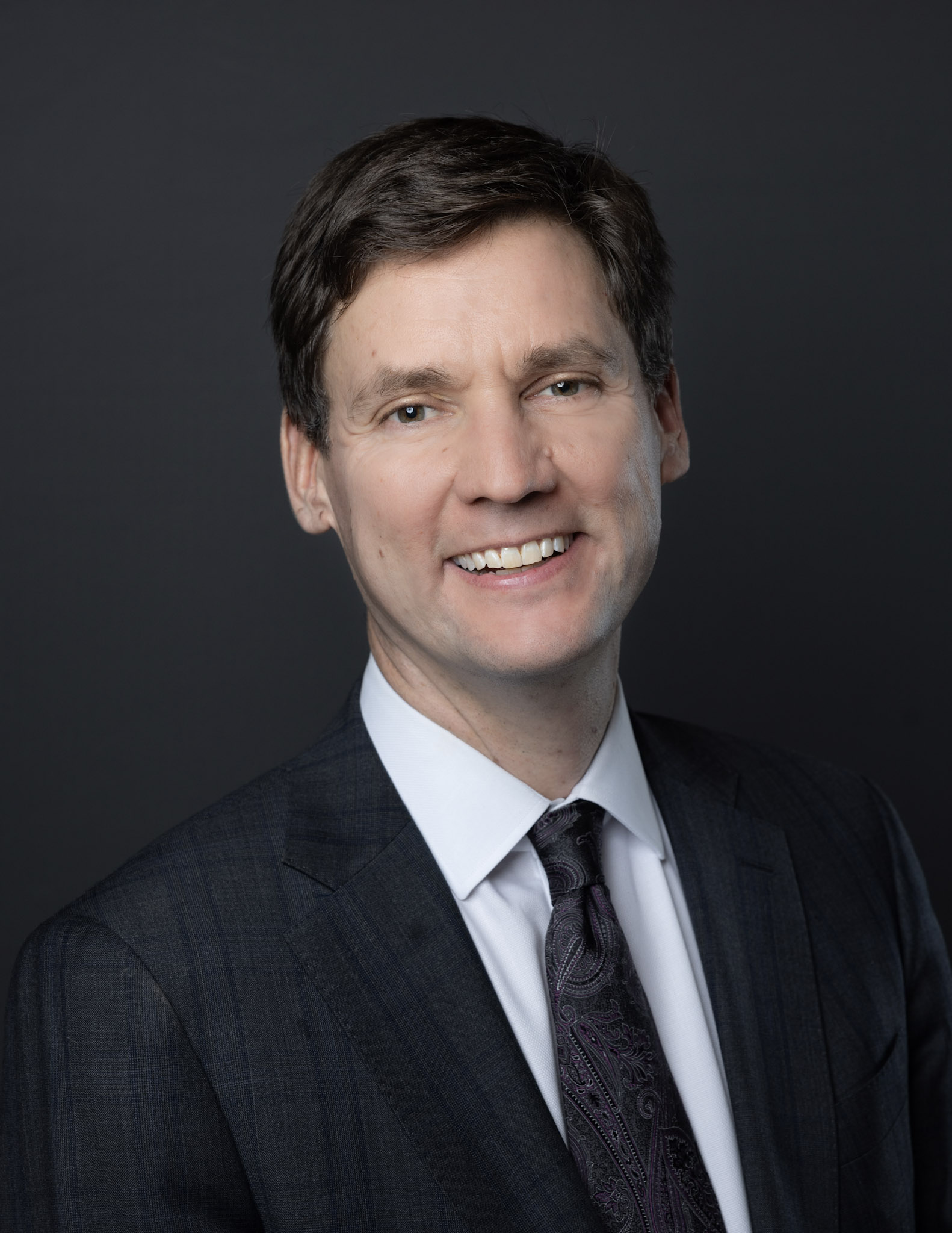
Leader ratings
Recent
- Jul 3confirmed
Not running again
Conservative
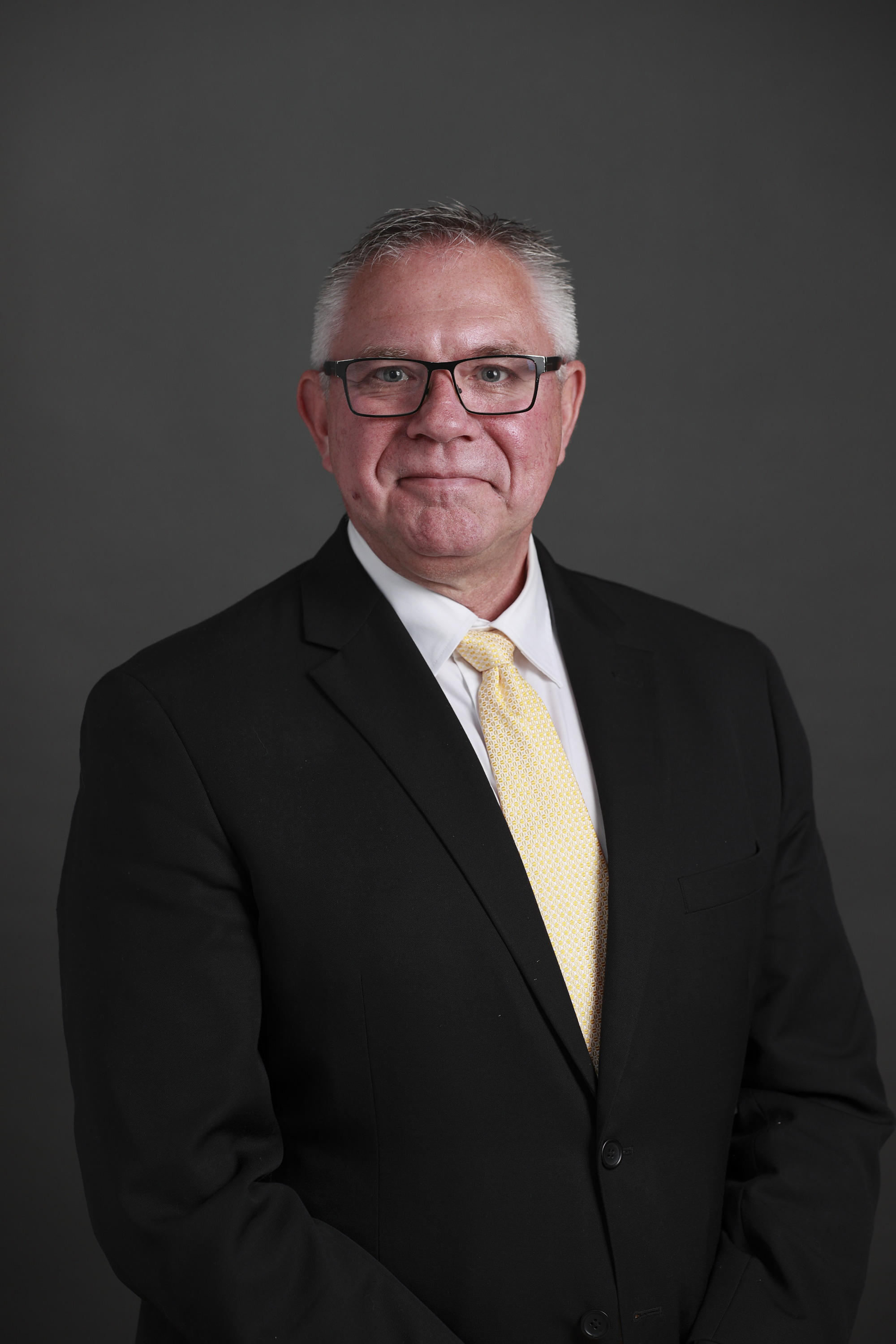
Leader ratings
Recent
- Sep 23John Rustad will not run againreported
- Sep 23Sheldon Clare says he will be the Conservative candidate in Prince George-North Caribooreported
- Sep 23Conservative board says Doerkson would stay leader if he becomes premierreported
- Sep 227 MLAs rejoin from CentreBCreported
Not running again
BC Green
Leader ratings
Not running again
CentreBC
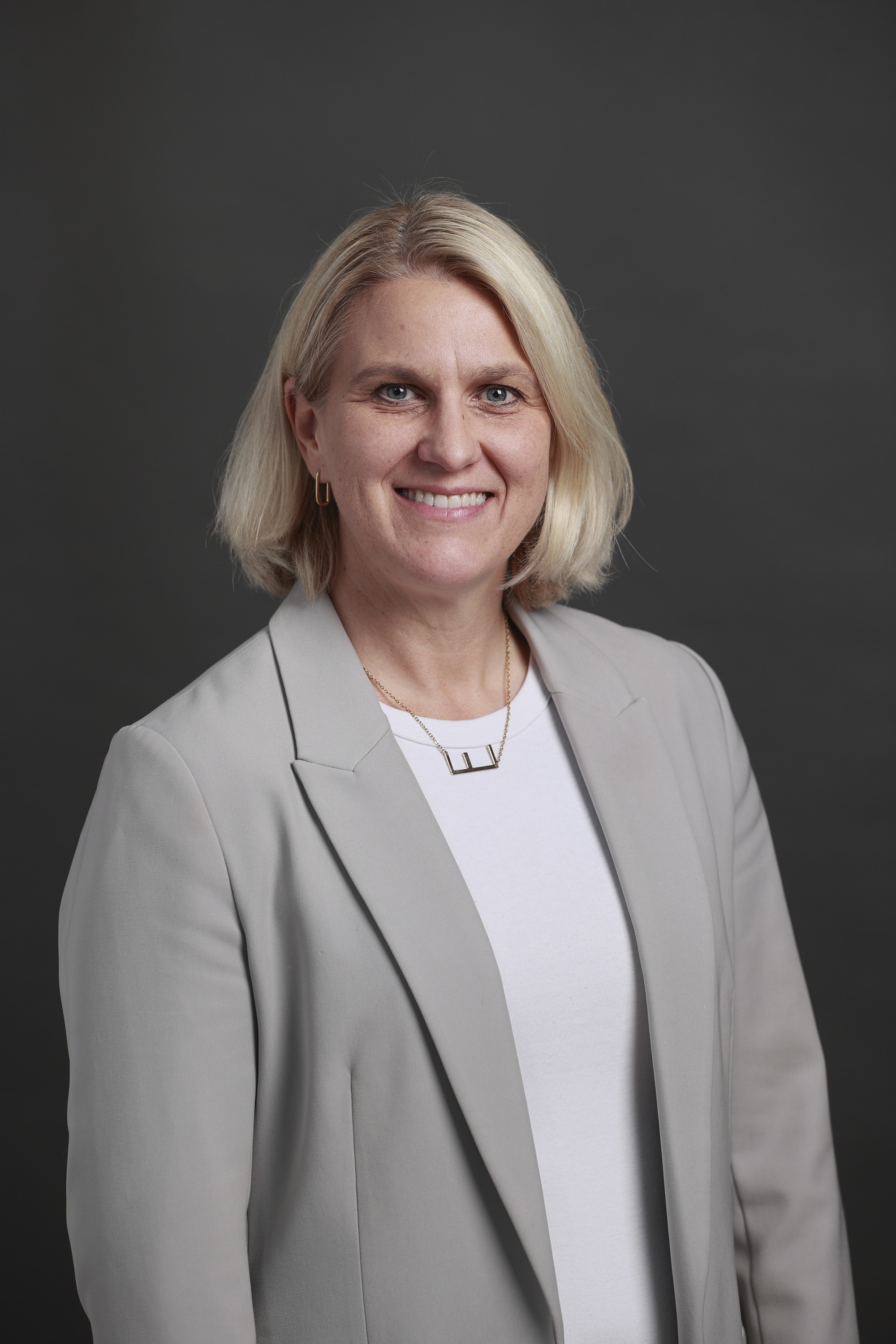
Leader ratings
Recent
- Sep 22Elenore Sturko named CentreBC leaderconfirmed
- Sep 227 MLAs leave, now Conservativereported
- Sep 18Milobar takes over CentreBC, bringing the group to eight sitting MLAsreported
- Sep 188 MLAs join from Independentreported
OneBC

Leader ratings
Recent
- Sep 22reported
- Dec 21reported
- Dec 16OneBC loses recognized party status in the Legislatureconfirmed
- Dec 16confirmed
Not running again
Independent
Not running again
Leaders: party announcements, checked against Wikipedia's infobox; Elections BC's register as of November 7, 2026. Seats and offices: the Assembly register. Ratings: only what a named pollster published.
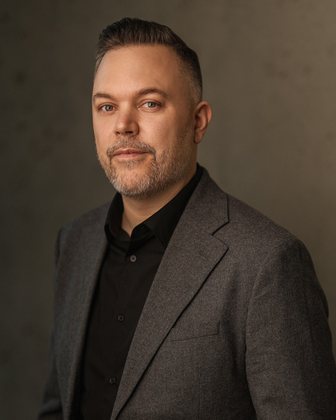
Jason Craik
Questions about the results, the transition or the new government's plans? Send me a note.
Bio
Jason Craik is a Vice President at Crestview Strategy and a senior strategic advisor with over a decade of experience helping business leaders and governments navigate high-stakes challenges at the intersection of policy, reputation, and technology. He advises clients facing complex regulatory environments, transformational change, and moments where the right strategy can turn risk into opportunity — with deep experience in the mining, forestry, energy, and technology sectors.
MoreLess
Jason has advised Premiers and Cabinet Ministers on crisis communications, issues mitigation, and strategic positioning. He also led the digital and integrated communications practice in Western Canada for a national public relations firm, building data-driven advocacy campaigns for multinational organizations.
Jason studied Computer Information Systems at the University of the Fraser Valley. Outside of Crestview, he builds software and AI workflow tools — bringing a hands-on understanding of emerging technologies to his strategic counsel.
Get in touch
Candidates
| Peace River North› | 54.2% | Curtis Whitford Jordan Kealy | 5 | |
| North Coast-Haida Gwaii› | 29.8% | Francis Racy Rodney Proskiw Tamara Davidson | 7 | |
| Bulkley Valley-Stikine› | 13.4% | Frankie Abel Sharon Hartwell Ed Ewald | 6 | |
| Peace River South› | 45.3% | Larry Neufeld Marsha Rose Dufresne Helen Scott | 2 | |
| Skeena› | 6.8% | Claire Rattée Larry Eugene Taylor Nick Gottlieb Sarah Zimmerman | 8 | |
| Nechako Lakes› , not running again | Not running again | 40.2% | Diane Black Jesse Gervais Clint Lambert | 11 |
| Prince George-Mackenzie› | 32.7% | Ian McMahon Kiel Giddens Teri Young | 5 | |
| Prince George-North Cariboo› | 35.0% | Denice Bardua Randy Thompson Sheldon Clare | 9 | |
| North Island› | 2.1% | Anna Kindy Benjamin Olsson Richard Lambert Sara Lopez | 13 | |
| Cariboo-Chilcotin› | 39.2% | Douglas Gook Kathryn Askew Lorne Doerkson | 292 | |
| Prince George-Valemount› | 20.3% | Carol Bourque Jodie Capling Mitchell Lukoni Rosalyn Bird | 9 | |
| Mid Island-Pacific Rim› | 9.3% | Gracie MacDonald Joshua Dahling Josie Osborne | 10 | |
| Courtenay-Comox› | 0.3% | Brennan Day Jason Cook Jay Van Oostdam Will Cole-Hamilton | 12 | |
| Kamloops-North Thompson› | 26.8% | Deborah Friesen Kory Clark Ward Stamer | 14 | |
| Columbia River-Revelstoke› | 3.7% | Andrea Dunlop Rana Nelson Scott McInnis | 10 | |
| Kootenay-Rockies› | 12.3% | AJ Wolfe Keenan Dennehy Norma Blissett Paul Heywood Pete Davis | 3 | |
| Ladysmith-Oceanside› | 6.0% | Charlene Smylie Kris McNichol Stephanie Higginson | 17 | |
| Nanaimo-Lantzville› | 12.2% | George Anderson Kelsey Pringle Sharleen Weatherley Pepper Saltman | 8 | |
| Fraser-Nicola› | 17.9% | Jason Leboe Patrick Michell Tony Luck | 11 | |
| Kamloops Centre› | 7.9% | Annelise Beach Mike Wisla Peter Milobar Rocky McAfee Thaelo Proctor | 19 | |
| Salmon Arm-Shuswap› | 21.7% | Barbara Presch David L Williams Denise Reimer Gloria Morgan Jed Wiebe | 21 | |
| Kootenay Central› | 8.0% | Brittny Anderson Gordon Skulnec Hunter Corrigal Nicole Charlwood | 15 | |
| Nanaimo-Gabriola Island› | 18.1% | Anna Mary McKenzie Mark MacDonald Sheila Malcolmson | 8 | |
| Cowichan Valley› | 2.9% | Bert Chen Debra Toporowski Justin Douglas James Chumsa | 22 | |
| Vernon-Lumby› | 1.7% | Blair Visscher Chantel Gibbs Harwinder Sandhu Kevin Acton | 13 | |
| Kelowna-Lake Country-Coldstream› , not running again | Not running again | 18.7% | Alexandra Wright Binny Boparai Carter Mochinski Pavneet Singh | 11 |
| Kootenay-Monashee› | 13.2% | Connie Larochelle Stephen Hill Steve Morissette Warren Mirko | 16 | |
| Juan de Fuca-Malahat› | 0.6% | Dana Lajeunesse David Evans Mike Hicks Shane Friesen Jeff Brown | 16 | |
| Saanich North and the Islands› , not running again | Not running again | 4.0% | Emily Lowan Kala Bryson Richard Smith Ryan Windsor | 17 |
| West Kelowna-Peachland› | 22.9% | Adam Frank George Morgan Macklin McCall | 5 | |
| Kelowna Centre› | 0.2% | Bill Desrosiers Kristina Loewen Loyal Wooldridge | 26 | |
| Kelowna-Mission› | 18.9% | Abraham Nordine Gavin Dew Miriam Rycroft Saoirse MacKinnon | 10 | |
| Langford-Highlands› | 14.5% | Alex Thurlborn Christopher Moon Cindy Scott Ravi Parmar Sean Flynn Christian McCay | 8 | |
| Saanich South› , not running again | Not running again | 17.3% | Cathie Ounsted Lisa Lapointe Richard Zussman | 8 |
| Powell River-Sunshine Coast› | 13.9% | Griffin Leonard Lea John Henderson Randene Neill | 9 | |
| Boundary-Similkameen› | 5.8% | Donegal Wilson Keith Pomeroy Roly Russell | 16 | |
| Penticton-Summerland› , not running again | Not running again | 1.1% | Bradley Sean Bartsch Tina Lee Tracy St Claire Warren Hamm | 20 |
| Esquimalt-Colwood› | 22.2% | Darlene Rotchford Dave Johnston Sid Tobias Sidney Coles | 8 | |
| Oak Bay-Gordon Head› | 20.2% | Andrew Appleton Andrew Weaver Diana Gibson Stan Sipos | 8 | |
| Victoria-Beacon Hill› | 13.9% | Grace Lore Joachim Agou Rajinder S. Sahota | 11 | |
| Victoria-Swan Lake› | 32.9% | Carolyn Howe Nina Krieger Tim Taylor | 8 | |
| West Vancouver-Sea to Sky› | 2.5% | Ayla Dumais Dan Wood Jeremy Valeriote Michelle Livaja | 8 | |
| West Vancouver-Capilano› | 19.5% | Arwa Shurab Caroline Elliott Honieh Barzegari Naomi Chocyk | 3 | |
| North Vancouver-Lonsdale› | 29.8% | Bowinn Ma Joshua A Singer Johnson Trevor Withers | 5 | |
| North Vancouver-Seymour› | 17.0% | Ben Holt Lori Climenhaga Lynne Block Susie Chant | 4 | |
| Vancouver-Point Grey› | 22.3% | Alex McMillan Beatrice Sharpe David Eby Michael Davis | 264 | |
| Vancouver-West End› | 35.8% | Dion Weisner Scott MacDonald Spencer Chandra Herbert | 2 | |
| Vancouver-Yaletown› | 6.4% | Margareta Dovgal Priyan Samarakoone Sam Chandola Terry Yung | 5 | |
| Vancouver-Strathcona› Vacant | Vacant Was Joan Phillip | 51.1% | Amanda Burrows Jordan Zheng McIntosh Tanya Webking Robert Crooks | 4 |
| Vancouver-Hastings› | 39.9% | Christian Bosio Kyra Philbert Niki Sharma Phyllis Tang Kimball Cariou Phil Webb | 8 | |
| Vancouver-Renfrew› | 32.6% | Adrian Dix Lisa Prescott Rebecca Haber Tom Ikonomou | 5 | |
| Vancouver-Quilchena› | 12.7% | Callista Ryan Carson Binda Dallas Brodie Douglas Courtemanche Petra Kuret | 28 | |
| Vancouver-South Granville› , not running again | Not running again | 39.4% | Colin Smith Lara Honrado Lisa Phillips Maria J Cruz Salvatore Vetro | 3 |
| Vancouver-Little Mountain› | 31.5% | Alex Muir Christine Boyle Sarah MacLeod | 2 | |
| Vancouver-Kensington› | 29.4% | Adam Hawk Aron Lageri Mable Elmore | 2 | |
| Vancouver-Fraserview› , not running again | Not running again | 20.6% | Aman Singh Deep Sandhu Francoise Raunet | 1 |
| Vancouver-Langara› | 2.4% | Alan Beesley Jaime Stein John Atoyebi Sunita Dhir | 3 | |
| Burnaby Centre› | 14.6% | Anne Kang Joshua Domnich Shila Taheri Vikas Gautam | 2 | |
| Burnaby North› | 10.3% | Janet Routledge Jenny Yamagata Maddy Kennedy-Parrott Simon Chandler | 1 | |
| Burnaby East› | 11.3% | De Ding Javad Shushtarian Peter Si Rohini Reah Arora | 1 | |
| Richmond-Steveston› , not running again | Not running again | 2.1% | Barry Wosk Bruce Kong Gordon Zhang Robert Evans Keenan Yang | 3 |
| Richmond Centre› , not running again | Not running again | 15.2% | Calvin Dang Henry Yao Sacha Peter Lawrence Chen | 1 |
| Richmond-Bridgeport› | 23.4% | Linda Li Teresa Wat | 1 | |
| Richmond-Queensborough› | 6.8% | Dhar Grewal Luc Burns Steve Kooner | 1 | |
| Burnaby South-Metrotown› | 7.7% | Andrew Rose Bryan Fockler David Xie Paul Choi | 5 | |
| Burnaby-New Westminster› | 25.3% | Joe Latam Raj Chouhan | 2 | |
| New Westminster-Coquitlam› | 29.3% | Jennifer Whiteside Maureen Curran Michele Lau | 31 | |
| Coquitlam-Maillardville› | 12.2% | Jennifer Blatherwick Matt Liang Nicola Spurling | 2 | |
| Port Coquitlam› | 15.1% | Keenan Adams Mike Farnworth Stephanie Hendy Lee-Ann Bates Lewis C. Dahlby | 8 | |
| Port Moody-Burquitlam› | 11.6% | Freddy Rawji John McEwen Rick Glumac Wei Chou | 5 | |
| Coquitlam-Burke Mountain› | 1.7% | Jodie Wickens Kaden Mann Ryan Peterson Valerie Morrison | 3 | |
| Delta South› | 10.1% | Ian Paton Jason McCormick Jim McMurtry Skadi Green | 6 | |
| Delta North› , not running again | Not running again | 12.5% | Kuldeep Rangi Monica Mohan Todd Schierling | 11 |
| Surrey City Centre› | 1.6% | Amna Shah Oliver Wildfong Raman Sharma Zeeshan Wahla | 2 | |
| Surrey-Newton› | 8.2% | Harj Dhaliwal Harman Preet Singh Jessie Sunner | 3 | |
| Surrey-Guildford› | 0.1% | Garry Begg Garry Thind Jodi Murphy James Yaroshuk | 4 | |
| Surrey-Fleetwood› | 3.7% | Carolyn Hofbauer Garry Purewal Jagrup Brar Paul Brar Tim Binnema | 5 | |
| Surrey North› | 7.4% | Mandeep Singh Dhaliwal Parm Bhandol Sahib Thind Tanya Gupta Yudhbir Gill Jag Bhandari | 5 | |
| Maple Ridge-Pitt Meadows› | 9.8% | Doug Morneau Jordan Simmons Lisa Beare Susan Einarsson | 3 | |
| Maple Ridge East› | 0.4% | Chris Hatchwell Daniel Kite Hudson Campbell Lawrence Mok | 5 | |
| Langley-Walnut Grove› | 4.8% | Holly Isaac Kyle Stevenson Misty Van Popta Sam Meyer | 3 | |
| Abbotsford-Mission› Vacant | Vacant Was Reann Gasper | 10.8% | Darryl Kropp Lakhwinder Jhaj Pam Alexis Virender Dass Jeff Monds | 5 |
| Surrey-White Rock› | 7.0% | Amanda James Christine Kinnie Darryl Walker Kevin Diakiw Trevor Halford Waqas Rana | 3 | |
| Surrey-Panorama› | 1.5% | Bryan Tepper Jinny Sims Manav Manro Nolen Scott | 5 | |
| Surrey-Serpentine River› , not running again | Not running again | 2.2% | Jessy Sahota Judy Higginbotham Sikander Kang Todd Holowchak Errol Povah | 3 |
| Surrey-Cloverdale› | 2.8% | Nicholas Cartmell Pat McCutcheon Sargy Chima Stephen Dooley Travis Marchenski | 34 | |
| Surrey South› , not running again | Not running again | 17.7% | Bill McConnell Elenore Sturko Megan Knight Parik Tahlan Denis R Hurtubise | 7 |
| Langley-Willowbrook› | 3.8% | Andrew Mercier Anisha Sandhu Jody Toor Shubham Joshi | 2 | |
| Langley-Abbotsford› | 21.9% | Erin Osborne Harman Bhangu Melissa Snazell Shelly Jan Alex Joehl | 6 | |
| Abbotsford West› | 21.5% | Gurpreet Chahal Jules Côté Korky Neufeld | 3 | |
| Abbotsford South› | 26.4% | Bruce Banman Leah Ballantyne Robin Roy | 3 | |
| Chilliwack North› | 16.9% | Adila Shaukat Dan Grice Heather Maahs | 6 | |
| Chilliwack-Cultus Lake› | 9.2% | A'aliya Warbus Kelli Paddon | 1 |
Margins: 2024, share of valid votes. Candidates: party websites until Elections BC's list.
Election simulator
Seats
Map
NDP and Green move with their province-wide change. The right-of-centre vote in each riding scales with the combined Conservative, CentreBC and OneBC share and divides by their ratio; a party with a sitting MLA keeps at least the incumbent share there. Modelled forecast: 338Canada.